PM addresses nation as provinces announce fuel-saving measures amid Middle East crisis
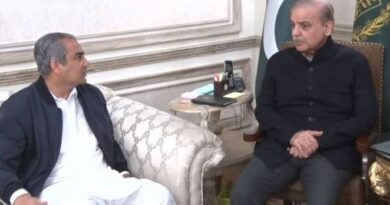
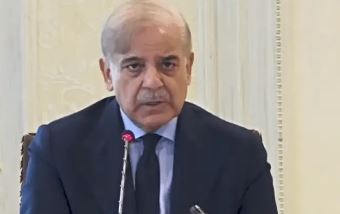
ISLAMABAD: Prime Minister Shehbaz Sharif addressed the nation on Monday amid the escalating Middle East crisis triggered by the United States and Israel’s strikes on Iran, as provincial governments across Pakistan announced austerity and fuel-conservation measures to deal with the fallout of the global energy disruption.
The prime minister’s address came as the government assessed the economic implications of the conflict, particularly after disruptions in the Strait of Hormuz, a vital shipping route for global oil supplies. Officials said the closure and instability in the region had already affected international fuel markets and triggered a rise in petroleum prices in Pakistan.
The premier outlined policy measures aimed at reducing fuel consumption, adjusting work practices and encouraging austerity in government departments as part of a national response to the crisis.
Meanwhile, provincial governments moved swiftly to implement energy-saving initiatives. In Punjab, Chief Minister Maryam Nawaz ordered the closure of all schools, colleges and universities from March 10 to March 31 as part of measures designed to reduce fuel consumption and ease economic pressure caused by the global supply disruption.
Under the provincial directives, educational institutions may continue online classes while examinations will proceed according to schedule. The Punjab government also announced sweeping austerity steps, including a 50 percent reduction in fuel allowances for government officials and the suspension of fuel supplies to provincial ministers until the petroleum shortage eases.
Protocol vehicles accompanying ministers have been restricted to a single car for essential security purposes, while official outdoor and cultural events — including the Horses and Cattle Show — have been postponed. A work-from-home policy has also been introduced in government offices, with only essential staff required to attend physically.
In addition, district-level petrol monitoring committees have been formed to oversee fuel distribution, while the Punjab Information Technology Board has been tasked with developing a track-and-trace system to monitor the movement of petroleum products.
Similar measures were announced in Khyber Pakhtunkhwa, where the provincial cabinet approved a two-month “Fuel Conservation and Responsible Governance Initiative” under the direction of Chief Minister Sohail Afridi.
According to officials, fuel allowances for government vehicles will be reduced by 25 percent — adding to an earlier reduction already in place since the COVID-19 pandemic — bringing the total cut to 50 percent. However, the measure will not apply to police, rescue and law-enforcement agencies.
The KP government has also introduced a 50 percent work-from-home policy for government departments, while all official meetings will be conducted virtually. Authorities have further decided to restrict the use of VIP protocol vehicles and helicopters and impose a ban on unnecessary official events and dinners.
Meanwhile, the government of Sindh announced a province-wide holiday in all public and private schools on March 11 in observance of Youm-e-Ali, commemorating the martyrdom of Ali ibn Abi Talib.
Sindh Chief Minister Murad Ali Shah also reviewed security and administrative arrangements for upcoming religious events, including Youm-e-Ali, Youm-e-Quds and Jummat-ul-Vida, urging unity and restraint among the public in light of the regional situation. Staff Report