Over Rs127m spent under food security project in KP’s flood-hit districts
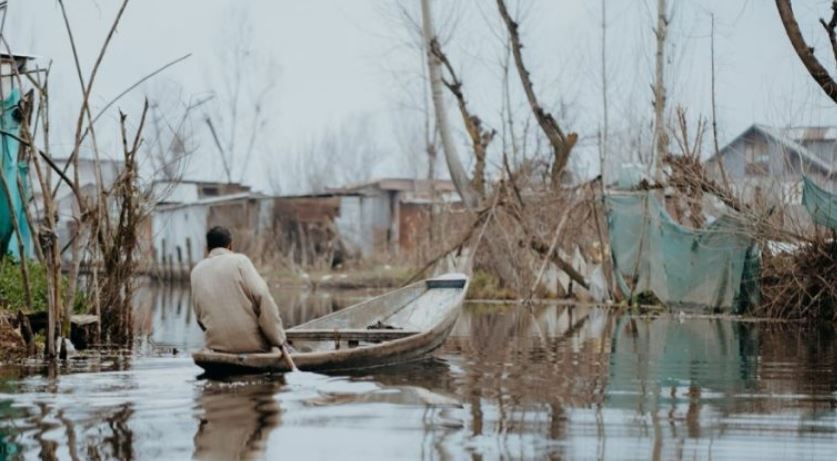
ISLAMABAD: The Khyber Pakhtunkhwa (KP) government has spent Rs 127.533 million during the current fiscal year under the ADB-funded food security support project to promote climate-smart agriculture and strengthen institutional capacity in the flood-affected districts.
According to documents available with Wealth Pakistan, the project, scheduled to be completed on June 30, 2028, is being implemented by the Agriculture Department.
The project carries a total commitment of US$ 79 million, of which US$ 15.10 million (19%) has already been disbursed.
The project has recorded a cumulative expenditure of Rs948.268 million, while the allocation for the fiscal year 2025-26 stands at Rs 6.802 billion.
Under the project, climate-smart and resilient agricultural practices are being promoted through the provision of fertilizers and seed, including wheat, rice, and DAP on a 50 percent cost-sharing basis, besides farmers’ training on the safe and efficient use of fertilizer and climate-adaptive seeds.
The programme also provides vegetable packages and offers training for female farmers in kitchen gardening, food processing, and preservation, with around 53,000 female farmers expected to be trained.
The project further focuses on strengthening institutional capacity and disaster preparedness through the development of a unified digital database of farmers in non-project districts and the establishment of an e-subsidy system.
Additional components include strengthening the seed industry in the province through the establishment of a speed breeding facility and the introduction of an ICT-based pest surveillance system for plant protection, along with support for project management and operational activities.
Officials believe that the project will enhance food security, strengthen agricultural resilience against climate shocks, and improve farmers’ productivity in flood-affected districts of Khyber Pakhtunkhwa, contributing to sustainable agricultural growth and improved rural livelihoods. APP