China overtakes US in global approval amid Trump’s controversial war in Iran
BEIJING: China has surpassed the United States in global leadership approval ratings, marking a significant shift in international perceptions at a time when US President Donald Trump is grappling with his lowest approval ratings at home amid economic strain and a controversial conflict with Iran.
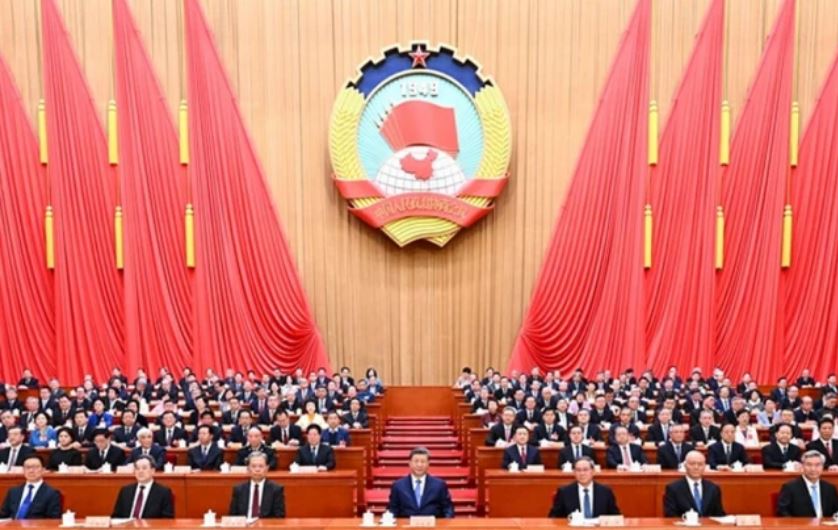
A new survey by Gallup shows that China’s global approval rating rose to 36% in 2025, overtaking the US, which fell to 31%. The findings represent the first time in nearly two decades that Beijing has edged ahead of Washington in worldwide leadership perception — and the widest gap in China’s favour in recent years.
The shift, however, appears to be driven less by a surge in enthusiasm for China and more by a steady erosion of confidence in US leadership. According to the poll, global approval of the US dropped sharply from 39% in 2024, while disapproval climbed to a record 48%, the highest level ever recorded by Gallup.
China’s trajectory, by contrast, has been comparatively stable. Its approval rating rose modestly from 32% to 36%, while disapproval held at around 37%. Analysts said it indicates that Beijing is benefiting from Washington’s declining image rather than experiencing a dramatic transformation in its own global appeal.
The results reflect a broader geopolitical moment in which many countries, including traditional US allies, are reassessing their alignment in an increasingly fragmented and multipolar world. Perceptions of American leadership have been dented by a combination of foreign policy decisions, economic uncertainty and political polarisation at home.
Commenting on the development, former senator Mushahid Hussain Sayed said, “Global public opinion has now shifted decisively against USA & overwhelmingly in favour of China, with Pakistan emerging as among five top countries most friendly towards the People’s Republic of China! New World Order spearheaded by China is now backed by the World’s majority!”
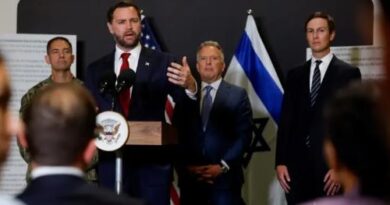
The downturn in global confidence coincides with growing domestic discontent with President Trump. A recent survey conducted by Reuters in partnership with Ipsos found that Trump’s approval rating has fallen to 36%, the lowest level of his current term.
The poll highlights widespread unease over the administration’s handling of the economy, particularly as fuel prices surge in the wake of escalating tensions with Iran. The conflict — which has raised fears of broader regional instability — has also triggered a backlash among American voters, with a majority expressing concern over both the human and economic costs of continued military engagement.
Public dissatisfaction is especially pronounced on cost-of-living issues. Only about a quarter of respondents in the Reuters/Ipsos poll said they approve of Trump’s management of inflation and household expenses, underscoring the political risks posed by persistent economic pressures.
The foreign policy dimension has further complicated matters for the White House. The confrontation with Iran has not only strained US resources but also drawn criticism from international observers, contributing to the perception of an increasingly unilateral and unpredictable American approach to global affairs.
For China, the changing perception landscape offers an opportunity to position itself as a more stable and reliable partner on the world stage. Beijing has sought to expand its diplomatic and economic footprint through initiatives such as infrastructure investment, trade partnerships, and multilateral engagement, particularly in the Global South.
However, experts caution against overstating China’s gains. Despite overtaking the US, China’s 36% approval rating still reflects a deeply divided global opinion. In many regions, concerns persist over issues such as transparency, human rights, and strategic influence, limiting Beijing’s ability to translate improved perceptions into universal support.
What is clear, though, is that the balance of global opinion is shifting. The US, long seen as the dominant global leader, is facing a period of reputational decline at a time when its domestic politics are increasingly polarised and its international strategies are under scrutiny. Monitoring Desk