China proposes five-point plan on Iran conflict
Foreign Minister Wang Yi says China will work with regional countries to restore peace in Middle East
BEIJING: China has proposed a five-point approach to address the escalating situation involving Iran, with Chinese Foreign Minister Wang Yi urging an immediate ceasefire, respect for sovereignty and a return to political dialogue to prevent further instability in the Middle East.
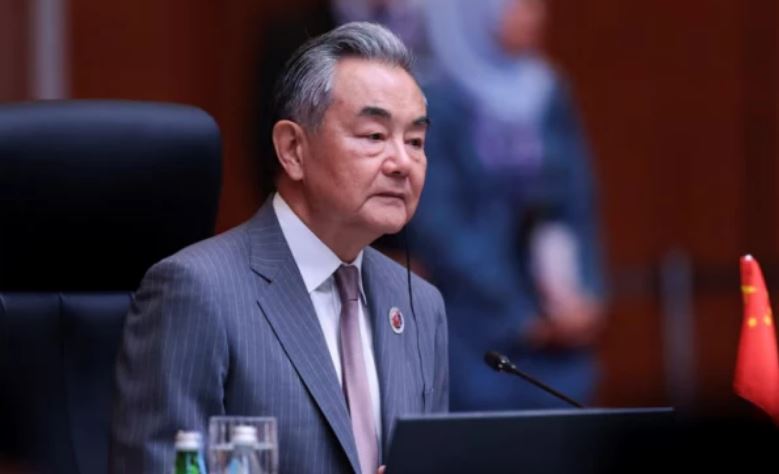
Speaking at a press conference on the sidelines of the Fourth Session of the 14th National People’s Congress, Wang outlined China’s five-point position for resolving conflict in the volatile region.
The press conference — one of the most important diplomatic events held during the NPC each year — provides insight into how China views its role amid rising geopolitical tensions and shifting global power dynamics.
The framework, according to the transcript issued by China’s foreign ministry, includes respecting national sovereignty, rejecting the abuse of force, adhering to non-interference in internal affairs, promoting political settlement through dialogue and encouraging major powers to play a constructive role in restoring peace.
“The Middle East is engulfed in flames. This is a war that should not have happened — it is a war that does no one any good,” Wang said while addressing journalists from China and abroad at the NPC media centre in Beijing.
He stressed that China’s stance on the issue remains objective and impartial, stressing that the immediate priority should be to bring about a ceasefire and end hostilities.
Wang warned that the use of force would not provide a lasting solution, adding that conflicts in the Middle East have historically led only to deeper divisions and prolonged crises. He urged all sides to halt military operations to avoid further escalation and prevent the conflict from spreading across the region.
Outlining China’s approach to resolving the conflict involving Iran and the broader Middle East, the Chinese foreign minister listed five fundamental principles that should guide international efforts.
First, he stressed the importance of respecting national sovereignty. According to Wang, the sovereignty, security and territorial integrity of Iran and all countries in the Gulf region must be respected and protected.
Second, he cautioned against what he described as the abuse of force, saying that military might should not determine international outcomes. Civilians, he added, must not become victims of armed conflict.
Third, Wang underlined the principle of non-interference in internal affairs. He said countries in the Middle East should determine their own future without outside intervention, warning that attempts to instigate political upheaval or regime change would not gain public support.
Fourth, he urged all parties to pursue a political solution to the crisis. China believes disputes should be resolved through dialogue and negotiations rather than military confrontation, he said.
Finally, Wang called on major global powers to play a constructive role in promoting peace. Influential countries, he added, should contribute positively to regional stability rather than intensifying tensions.
China, he said, stands ready to work with Middle Eastern nations to implement the Global Security Initiative, a framework proposed by Chinese President Xi Jinping aimed at addressing international conflicts through dialogue, cooperation and collective security. Monitoring Desk