AI central to improving revenue, public service delivery: Finance Minister
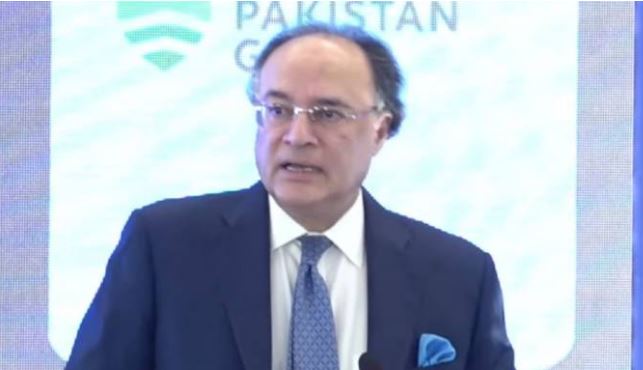
ISLAMABAD: Finance Minister Muhammad Aurangzeb on Tuesday said artificial intelligence was increasingly central to Pakistan’s efforts to improve public service delivery, strengthen revenue administration, and support evidence-based policymaking.
He was speaking at a panel discussion titled “AI for Public Service Transformation and SDG Acceleration” during the National Artificial Intelligence Workshop in Islamabad.
Addressing the forum, the finance minister said countries were adopting artificial intelligence at varying speeds, shaped by their economic structures and development priorities. For Pakistan, he stressed, the focus must remain on applied and practical solutions that deliver measurable gains in efficiency, transparency and productivity, rather than pursuing technology for its own sake.
Aurangzeb said AI-enabled systems were already playing a growing role in improving tax compliance, enforcement, and decision-making. He noted that the government’s ongoing tax transformation, based on reforms in people, processes and technology, was leveraging AI-driven customer relationship management systems, production monitoring tools, risk-based compliance mechanisms and faceless customer processes.
“These interventions are aimed at reducing leakages, enhancing transparency and improving revenue outcomes,” he said, adding that limiting discretionary human intervention through technology was essential to curbing inefficiencies and corruption. The finance minister said AI-led systems had delivered tangible fiscal gains that would not have been possible through manual processes alone.
Touching on digital assets, Aurangzeb said the establishment of the Pakistan Virtual Asset Regulatory Authority (PVARA) reflected the government’s intent to manage risks while integrating emerging technologies into the formal economy.
Bringing such activity into a regulated framework, he said, was vital for financial stability and unlocking future economic potential. He also underscored the importance of investing in human capital and skills development to enable Pakistan’s youth to access higher-value segments of the global technology ecosystem. Advanced technologies such as blockchain and data analytics, he added, could support productivity-led growth and expand income opportunities.
Concluding his remarks, Aurangzeb said artificial intelligence offered significant opportunities for Pakistan in areas including revenue mobilisation, public service delivery, and climate and population management. However, realising these benefits, he cautioned, would require clear policy direction, institutional readiness and a coordinated, whole-of-government approach to digital transformation.
Federal Minister for Climate Change and Environmental Coordination Dr Musadik Malik, Federal Minister for Information Technology and Telecommunication Shaza Fatima Khawaja, and Federal Minister for Planning, Development and Special Initiatives Ahsan Iqbal were also present at the session. Staff Report