Bangladesh considers import duties on Indian cotton yarn
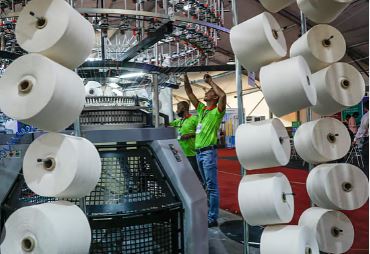
DHAKA: Bangladesh is considering levying import duties of 10–20% on cotton yarn, primarily imported from India, in anticipation of an indefinite strike by the nation’s textile millers.
Bangladesh’s imposition of customs duties could disrupt the rebound in domestic cotton prices, which had declined in 2025 following duty-free imports from India.
Industry estimates suggest that ending duty-free access could push yarn duties to nearly 37%, increasing raw material costs by around 60 cents per kilogram and directly impacting Bangladesh’s $28 billion knitwear export sector.
During 2024–25, Bangladesh’s yarn imports from India climbed to 556.12 million kilograms valued at $1.79 billion, reflecting a 22.22% growth in volume and a 20.15% rise in value.
India serves as Bangladesh’s leading source of cotton yarn, whereas China stands as the country’s primary exporter of finished fabrics.
The government is actively reviewing the proposal amid an upcoming strike by local textile millers, who argue that duty-free yarn imports have driven them close to collapse.
Garment exporters, on the other hand, caution that introducing new tariffs could weaken Bangladesh’s global competitiveness, particularly as the country readies to graduate from least-developed-country (LDC) status in 2026.
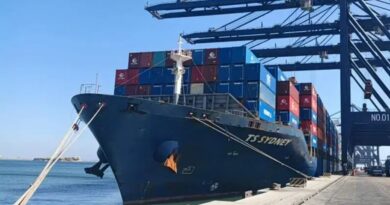
In April last year, Bangladesh halted yarn imports from India through key land ports such as Benapole, Bhomra, Sonamasjid, Banglabandha, and Burimari. According to the NBR, the move was intended to curb misdeclarations and prevent unfair competition.
The BTMA had consistently raised concerns that Indian exporters were understating yarn counts and selling at prices below production cost.
Before the land port restrictions, roughly 32% of India’s yarn exports to Bangladesh were transported overland. The shift to sea routes increased logistics costs and caused delays, particularly affecting small and medium-sized mills in northern Bangladesh that relied on cheaper land transport.
Textiles and garments make up over 80% of Bangladesh’s exports and provide employment for millions, both directly and indirectly. Under the South Asian Free Trade Area (SAFTA), Bangladeshi garments benefited from duty-free entry into India, while transshipment through Indian ports and airports helped lower logistics costs.
However, at a press briefing on Wednesday, officials stated that the implementation of the proposed suspension had been postponed, leaving uncertainty around its enforcement. Monitoring Desk