63% of Pakistan Railways locomotives out of service
Monthly failures rise to 29, passengers face severe hardships
ISLAMABAD: Pakistan Railways is facing a critical operational crisis as 63% of its locomotives have completed their 20-year lifespan, and the monthly average of locomotive failures in the current fiscal year has surged to 29, up from 21 last year. The frequent breakdowns have disrupted train services and caused significant inconvenience for passengers.
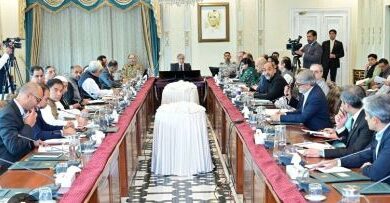
The alarming figures were revealed during a meeting of the National Assembly’s Standing Committee on Railways, chaired by Member of National Assembly Ramesh Lal. Committee members were briefed on the administrative and technical challenges confronting Pakistan Railways.
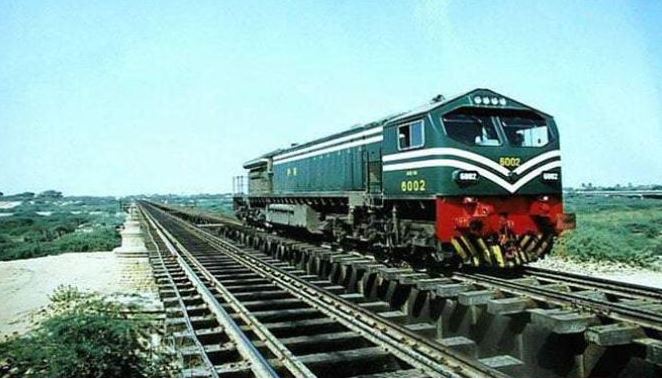
According to the briefing, Pakistan Railways has a total of 439 locomotives, of which 275 have already exceeded their operational lifespan. The rising failure rate of passenger locomotives from an average of 21 per month in 2024-25 to 29 per month in the first six months of 2025-26 was attributed to aging machinery and inadequate maintenance, severely affecting the quality and reliability of train services.
Committee members expressed strong concerns over train delays, shortage of passenger coaches, unhygienic washrooms, lack of water supply, and malfunctioning air-conditioning power plants. MNA Waseem Qadir presented videos showing late-running trains and demanded accountability for every delay.
The absence of Railways Minister Hanif Abbasi during the meeting sparked sharp criticism from the committee members. MNA Sadiq Ali Memon expressed disappointment, saying the minister had shown initial interest but had not attended committee meetings consistently. Ahmed Saleem Siddiqui added that despite prior assurances of ministerial participation, the commitment was not fulfilled.
The committee directed the CEO and IG of Pakistan Railways to ensure their attendance at the next meeting. Officials informed the committee that out of 86 power vans, only 54 are operational, 20 are missing, and 16 are in workshops.
Discussions also highlighted the shortage of coaches on Millat Express and Karakoram Express, the urgent need for additional coaches on the Karachi–Lahore route, and the outdated technology in existing passenger coaches. Officials assured the committee that new train services will feature upgraded Chinese coaches, and travel time between Karachi and Lahore has been reduced to 18–19 hours.
The meeting further addressed issues related to Railways societies, colonies, and land disputes. Committee members raised concerns about railway land and plots in Hyderabad and other cities and requested participation in the newly formed subcommittee.
The committee was also informed that Hindu pilgrims traveling from Karachi to Nankana Sahib were overcharged up to PKR 900,000, of which PKR 800,000 has been refunded.
Chairman Ramesh Lal criticized the slow progress on the ML-1 project, stating that he has been hearing about it since 2002, yet tangible results remain minimal. He instructed the DS Sukkur to take field action against encroachments and halt illegal activities.
Concluding the session, Chairman Ramesh Lal emphasized the urgent need for practical solutions to all railway issues, insisting on the presence and accountability of officials and relief for passengers. He warned that the continued reliance on outdated machinery, poor administrative policies, and operational lapses threatens to further erode public confidence in Pakistan Railways unless decisive government action is taken. Syed Naveed Jamal