PTI rejects PM Shehbaz’s offer for negotiations
Govt’s approach for talks reflects “political panic and intellectual collapse,” says party spokesperson
ISLAMABAD: The opposition Pakistan Tehreek-e-Insaf (PTI) blasted the government on Tuesday, flatly rejecting any notion of dialogue, accusing the ruling coalition of coming into power through a “stolen mandate” and labelling it entirely untrustworthy.
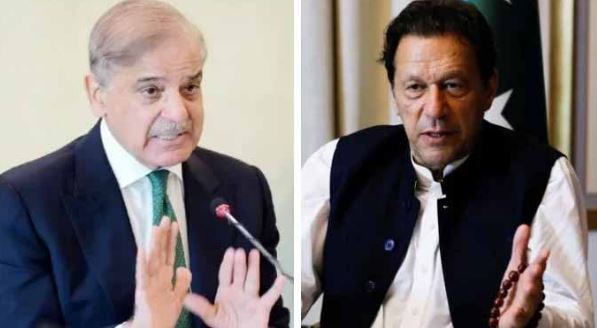
The statement from PTI came after Prime Minister Shehbaz Sharif reiterated his call for dialogue with PTI during a federal cabinet meeting earlier in the day. PTI, however, dismissed the offer as a “deceptive tactic” aimed at misleading the masses.
In a statement, PTI spokesperson Sheikh Waqas Akram emphasised that the party would not engage in dialogue under the “mandate-stolen regime.”
He accused the government of pursuing “fascist” policies to crush the country’s most popular party and its leader, Imran Khan. Akram condemned Khan’s continued solitary confinement, calling it political revenge.
He also noted that while the government had approached leaders of Tehreek Tahaffuz-e-Aain-e-Pakistan (TTAP) for dialogue, it was nothing more than a public relations stunt.
“The government is not genuinely seeking a solution,” he said. “This is just a facade to appear in favour of negotiations.”
The PTI spokesperson criticised the government’s aggressive tactics, including “mudslinging” and violations of court orders concerning Imran Khan’s visitation rights.
He also rejected the government’s demand for an apology from PTI, calling it a sign of “political panic” and “intellectual bankruptcy.”
Akram stated that such demands were authoritarian and insisted PTI would never compromise on its core principles: “civilian supremacy, an independent judiciary, and parliamentary sovereignty.”
He also questioned how a Prime Minister Sharif who “cannot even arrange a meeting between Imran Khan and the Khyber Pakhtunkhwa Chief Minister” could lead meaningful talks.
He accused the government of “open contempt of court” for disregarding judicial orders related to Imran Khan’s family and legal team.
He expressed disappointment in the judiciary’s failure to enforce its orders while quickly expediting cases against PTI leaders.
Akram warned that undermining the public mandate and criminalising dissent would only weaken the state.
“Imran Khan’s popularity is a nightmare for this imposed regime. No amount of coercion or imprisonment can suppress the will of the people,” he said.
He also described Imran Khan as a “prisoner of conscience,” insisting that Khan was jailed not for any crime but for rejecting the “imposed setup.”
He forewarned that the government’s authoritarian actions – attacking parliament, intimidating the judiciary, and limiting media freedom – would fail.
“Oppression only strengthens resistance,” he added.
On the international front, PTI demanded the government clarify its position on reports that Pakistan might send troops to Gaza in support of Israel’s actions against Hamas.
Akram referred to claims by US Foreign Secretary Marco Rubio, which raised doubts after the Foreign Office denied such plans earlier.
“Who is lying to the nation,” he asked, questioning whether the government had secretly committed to this policy.
PTI and the people of Pakistan, he stated, would oppose any actions that undermine the country’s sovereignty or its support for Palestine.
“Any secret deals compromising our dignity will not be tolerated,” he concluded. Web Desk