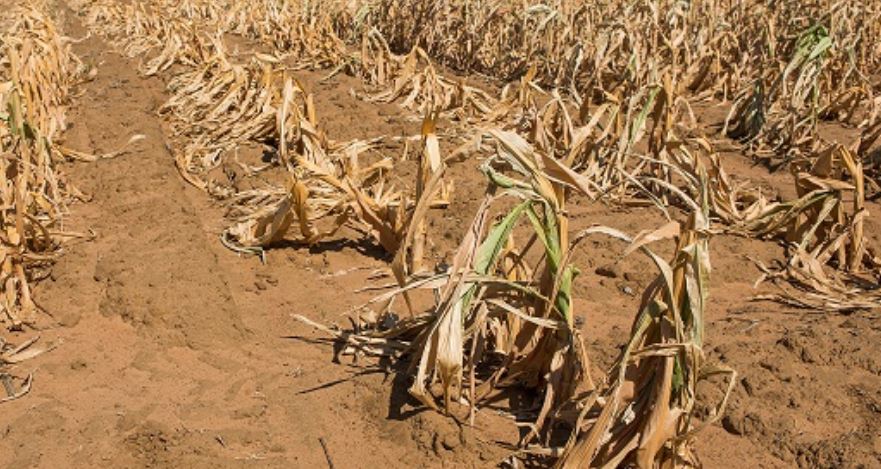
Severe dry spell sparks health and food crisis
ISLAMABAD: The country is reeling under a harsh and dry spell, putting the health of millions at risk, driving up food costs, and causing the air to become increasingly polluted.
The Pakistan Meteorological Department has warned that the ongoing dry spell, along with smog, is likely to worsen in most parts of the country as in Punjab- Lahore, Sialkot, Multan, Narowal, Kasur, Sheikhupura, Gujranwala, Jhelum, Bhakkar, Mianwali, Faisalabad, Jhang, Toba Tek Singh, Sahiwal, Multan, Khanewal, Layyah, Kot Addu, Bahawalpur, and surrounding areas – will experience the unhealthy condition.
In Khyber Pakhtunkhwa – Peshawar, Swabi, Mardan, D.I. Khan, and nearby areas- will also face the same condition, while upper Sindh, including Sukkur and Rohri, is likely to face similar situation, especially during the morning hours.
Since rain has fallen by more than 52% this year, the weather has become uncomfortable, putting the people in a vicious circle of viral contamination.
The PMD has issued a warning stating the rising smog levels may trigger an increase in respiratory diseases, asthma cases, and other pollution-related health problems. Vulnerable population, including children, the elderly, and people with pre-existing health conditions, are in peril. Furthermore, poor air quality can cause reduced visibility on roads, leading to a surge in traffic accidents especially on motorways and highways across the country. Therefore, travelers are advised to remain vigilant to avoid any untoward situation.
According to health officials, a growing number of people are visiting hospitals for treatment of respiratory and other illnesses, such as coughs and flu. They have advised extra caution, especially for children, urging parents to be more vigilant as air quality is extremely harmful for them and to keep children indoors as much as possible.”
The cultural hub of Punjab – Lahore – and the city of lights – Karachi- ranked among the cities with the most polluted air in the world. The capital city –Islamabad – which used to be very cold- is now dry and dusty. There hasn’t been much snowfall either, and Murree — normally full of winter charm — looks dull this year. The Galiyat region and the mountains stretching through Swat, Kaghan Valley, Saiful Malook Lake, and all the way to Hunza are bare and rough, which is unusual for their typical snowy winters. This is perhaps because of the climate change phenomenon, fears of a bad crop have thrown opened amid a sustained dry season and a spiral in food prices.
The unpredictable and damaging weather is not new as the region had experienced a drought a few years ago, which was then followed by terrible floods in 2022. For many years now, Pakistan’s monsoon pattern has been changing, and weather systems from the Arabian Sea, Siberia, and the northern areas have become strange.
Experts say Pakistan is moving toward a hotter, drier, and more unstable climate, which will affect seasonal crops like rice and wheat. Climate change is talked about a lot, and huge amounts of money are spent on big meetings about it. But it’s still unclear whether Pakistan actually has a clear climate policy. What is certain is that the country is enduring the effects — and the changing weather shows that worse things may happen in the future.
The country, which produces less than 1% of the world’s greenhouse gases, is one of the countries suffering the most from climate change. Because of this, Pakistan needs to take smart and creative steps to protect its weather and environment.
Some helpful actions include planting trees, building more water reservoirs, using better machines and technology in farming, and growing more crops on each acre of land. ( Naveed Khan)