Pakistan’s ports emerge as transit hub after Iran war disrupts Gulf routes
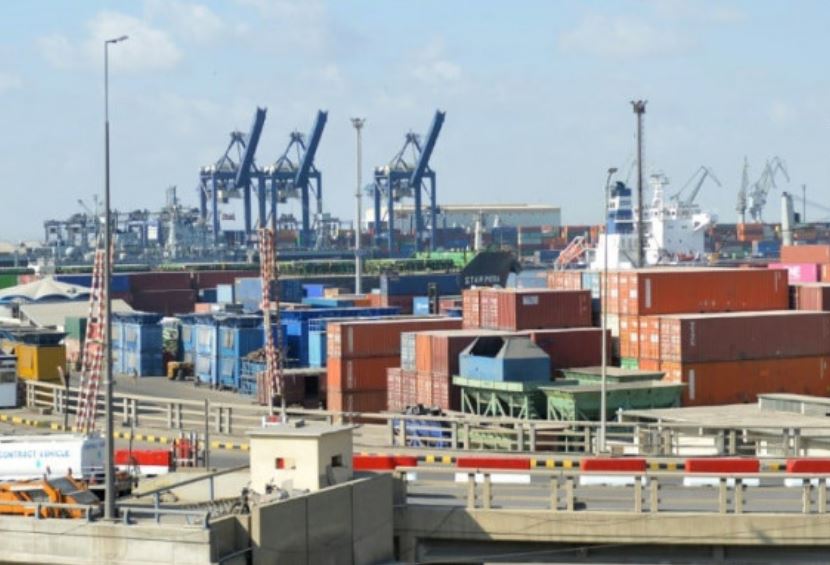
KARACHI: As conflict-related disruptions ripple across Gulf shipping routes, Pakistan’s main ports are emerging as an unexpected transit hub, handling a surge in cargo rerouted away from the region’s traditional maritime centres.
Since early March, ports in Karachi have seen a sharp rise in transshipments — cargo temporarily offloaded and redirected to other destinations — as vessels avoid higher-risk routes linked to the escalating US-Israel war with Iran.
Officials said the increase has been dramatic.
Karachi Port alone handled 8,313 containers over the past 24 days, slightly exceeding the total volume recorded for all of 2025, according to data from the Karachi Port Trust.
The port, which handles more than half of Pakistan’s foreign trade, has absorbed the bulk of the diverted cargo.
The Bin Qasim Port has also handled record-breaking flows since March 1.
The surge came as disruptions linked to the conflict, including restrictions in the Strait of Hormuz as well as attacks on vessels and ports, had slowed operations across the Gulf.
Ports such as Oman’s Salalah and the UAE’s Jebel Ali have been affected by strikes, while others have seen disruptions, creating space for Pakistan to step in, analysts said.
Safe haven: Mohammad Rajpar, chairman of the Pakistan Ship’s Agents Association, told Anadolu that Karachi’s ports had become a “safe haven” and “temporary storage hub” for regional trade.
He said Karachi Port handled around 75% of the redirected cargo, with the remaining 25% processed at Bin Qasim.
The surge was so significant that the port’s operations continued even on EidulFitr for the first time in the its 172-year history.
Rising insurance premiums have played a key role in the shift.
The risk premium and insurance cost for delivery inside the Persian Gulf is four times higher than for Pakistan, Rajpar said.
“It’s a great opportunity for us to become a permanent regional transshipment hub, like Salala and Jebel Ali ports, as we have the capacity,” he said.
Currently, Pakistani ports are handling 3.8 million containers annually compared to a capacity to handle 6m containers per year, Rajpar said.
Opportunity likely to outlast conflict: Analysts said the shift in shipping patterns could persist even if the conflict eases.
“Even if the war ends today, the traditional shipping routes will take at least three months to restore,” Rajpar said.
He added that elevated risk perceptions and insurance costs could linger even longer.
“Pakistan can exploit this advantage as higher insurance costs will continue to compel the shipping industry to rely on safe and secure ports,” he said.
AasimSiddiqui, a Karachi-based shipping expert, predicted the effects could last for at least four to five years.
“We have a golden opportunity to convert this temporary boom into a sustainable business,” he told Anadolu.
However, he stressed that success would depend on efficiency and costs.
He noted that the government of Prime Minister Shehbaz Sharif had recently changed several customs-related rules to expedite the transshipments.
The reform, he said, “is a good omen for the [country’s] shipping industry”. Web Desk