Govt adopting collective austerity, shared responsibility approach: Musadik
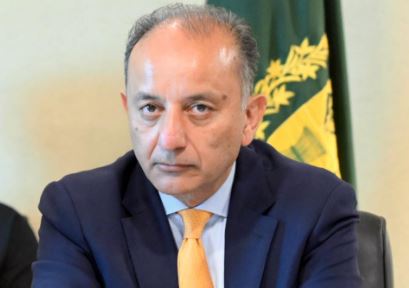
LAHORE: Federal Minister for Climate Change and Environmental Coordination Dr. Musadik Malik on Monday said the government is pursuing a coordinated austerity strategy to reduce expenditure, conserve national resources, and protect vulnerable segments of society while encouraging contributions from all tiers of the state and public.
Talking to the media here, he said the measures approved by Prime Minister Shehbaz Sharif reflect a broader policy shift toward efficiency, restraint, and equitable burden-sharing amid rising global economic uncertainties. He said the government had curtailed 50 per cent of fuel expenses borne by the federal exchequer and suspended all non-essential official functions to limit avoidable spending. He added that official travel, both domestic and international, had been significantly restricted, with exceptions limited to critical engagements linked to foreign policy and strategic requirements. In such cases, he said, many interactions are now being conducted through digital platforms to minimise costs.
Dr. Musadik Malik said federal ministers, advisers and special assistants to the prime minister have contributed two months’ salaries to a relief fund, while the prime minister has also canceled several official visits as part of the austerity drive, underscoring leadership by example.
The minister said the government is adopting structural adjustments, including optimised working arrangements, to align with evolving global economic practices and reduce operational overheads. He added that similar proactive approaches have been used in past crises to remain ahead of emerging challenges.
The minister said the government has introduced a differentiated framework to ensure that the adjustment burden is shared in a fair and gradual manner. In this context, an additional levy of Rs. 200 has been imposed on high-octane fuel used by high-end vehicles, which are typically owned by affluent segments of society.
He clarified that the objective is not to penalise prosperity but to ensure that those with greater financial capacity contribute proportionately during periods of economic stress. He added that government vehicles using premium fuel will no longer be financed by the state, and such expenses will be borne by the concerned individuals, while most government vehicles have been grounded except those required for essential security purposes.
Dr. Musadik Malik cautioned that continued volatility in global oil markets and geopolitical tensions could constrain the government’s ability to sustain subsidies, stressing that prudent fiscal management and restraint at both institutional and individual levels are essential to contain inflationary pressures. He said the pricing strategy will follow a phased approach, with adjustments first affecting high-octane fuel and luxury vehicle usage, before extending to other fuel categories, ensuring that smaller vehicles and motorcycles are comparatively less impacted in the initial phase.
Calling for nationwide cooperation, the minister urged citizens to adopt energy-efficient habits, reduce unnecessary travel, conserve electricity, and make greater use of public transport. He said that when collective small actions are adopted at scale, they can significantly reduce overall national consumption. He expressed confidence that with coordinated efforts between the government and the public, Pakistan can navigate the current economic challenges effectively, noting that the country has a history of overcoming crises through resilience, unity, and adaptive policymaking. APP