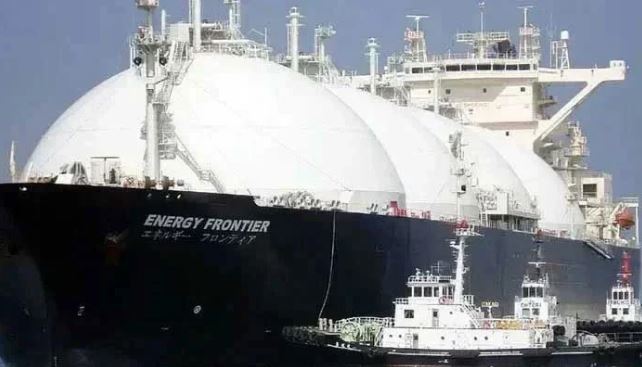
Pakistan to face LNG shortfall after April 14 amid Mideast tensions, panel told
ISLAMABAD: Pakistan could run out of liquefied natural gas (LNG) after April 14 as supply disruptions linked to escalating tensions in the Middle East affect shipments, officials informed a Senate committee on Monday.
The meeting of the Senate Standing Committee on Petroleum, chaired by Senator Manzoor Ahmed, was informed that LNG imports from Qatar had been completely suspended since March 2, raising concerns about gas availability for the power sector in the coming weeks.
The Middle East conflict threatens LNG shipments from Qatar, the world’s second-largest LNG exporter after the United States, which supplies the bulk of Pakistan’s imported LNG used to power electricity plants during peak demand.
Shipping through the narrow waterway has nearly come to a halt since the start of the US-Israeli war on Iran. The disruption has blocked the export of around one-fifth of the world’s oil supply and liquefied natural gas, pushing global oil prices to levels not seen since 2022.
The global price hike also led to the federal government raising petrol and diesel prices by Rs55 per litre as surging international prices, fuelled by the US-Israel war with Iran, put pressure on domestic energy costs.
During Monday’s briefing, the Ministry of Petroleum officials said Pakistan had two LNG supply agreements with Qatar, but shipments had been affected amid the ongoing regional conflict. Out of eight cargoes scheduled for March, only two arrived, while six cargoes expected in April are unlikely to reach the country.
As a result, officials warned that LNG would not be available in the country after April 14, adding that gas demand in the power sector would not be fully met in April.
They said alternative sources would be used to bridge the shortfall, including the possibility of purchasing LNG from Azerbaijan, although spot purchases could cost around $24 per unit compared with $9 under the Qatari contract, potentially leading to more expensive electricity generation.
The committee was also told that Sui Southern Gas Company had reduced gas supply by 50% to one fertiliser plant, while gas supply to the power sector had fallen from 300 mmcfd to 130 mmcfd. Officials assured the committee that domestic consumers would continue to receive a gas supply. Staff Report