Egypt incurs $10bn in Suez Canal losses since 2020, says El-Sisi
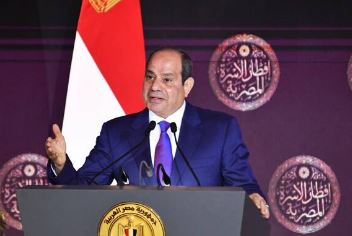
CAIRO: Egypt has suffered about $10 billion in cumulative losses from global and regional crises affecting the Suez Canal since 2020, President Abdel Fattah El-Sisi said during the Egyptian Family Iftar held at the Air Force House.
He also highlighted mounting economic pressures on the country, noting that annual petroleum consumption for electricity generation and industry costs around $20 billion.
The remarks come as Egypt faces growing strain from disruptions to global trade routes and rising energy costs. The Suez Canal, one of the country’s most important sources of foreign currency, has been repeatedly affected by geopolitical tensions and shipping disruptions in recent years, reducing traffic and government revenues.
In a post published on the Egyptian presidency’s official Facebook account, El-Sisi said the state entered an economic reform program in 2016 and that, since 2020, “we have been exposed to crises and negative matters that were difficult to avoid, resulting in Egypt losing about $10 billion in Suez Canal revenues, equivalent to 500 billion Egyptian pounds, which has certainly had repercussions on the state’s ability to act.”
The gathering was attended by key government figures, including Prime Minister Mostafa Madbouly; Deputy Prime Minister for Economic Affairs Hussein Essa; and Commander-in-Chief of the Armed Forces and Minister of Defense and Military Production Lt. Gen. Ashraf Salem Zahir.
He reiterated Egypt’s condemnation of attacks targeting “brotherly Arab states,” emphasizing full support for Arab countries while calling for de-escalation, dialogue, and adherence to international law.
“These conflicts and the tense environment have cast a heavy shadow over the global economy, disrupted supply chains, and driven up energy and food prices worldwide,” El-Sisi said, noting that Egypt has not been immune to these effects.
He explained that the government’s economic measures, including the recent fuel price hikes, are necessary to ensure the supply of strategic goods, safeguard the national economy, and protect citizens’ resources.
“We fully understand the pressures on the Egyptian citizen and the negative sentiments regarding the recent increase in fuel prices,” he said, noting that the realities of the situation sometimes necessitate taking difficult measures to avoid harsher consequences.
Egypt raised prices on a wide range of fuel products on March 10, citing surging global oil and gas prices and disruptions to Middle East output caused by the US-Israeli war on Iran, the Petroleum Ministry said.
The increases, ranging from 14 to 17 percent, are the first this year and follow a 10.5 to 12.9 percent hike in October. Madbouly had warned earlier that the government might take “exceptional measures” if global fuel prices surged due to the conflict.
El-Sisi stressed that petroleum products are largely consumed by electricity and energy plants, not vehicles, and charging citizens the full cost would quadruple electricity bills without benefiting the state. He added that Egypt aims to produce 42 percent of its energy from new and renewable sources by 2030 and plans to exceed that target ahead of schedule.
Highlighting the importance of unity, he said: “We must stand together and be vigilant because the region is changing … and some countries are lost due to miscalculations.”
He also noted that borrowing in foreign currency to cover these needs is neither logical nor fair, stressing the need to maintain the supply of petroleum products to power plants and factories. Web Desk