PM directs FBR to expand automated monitoring to boost tax revenue
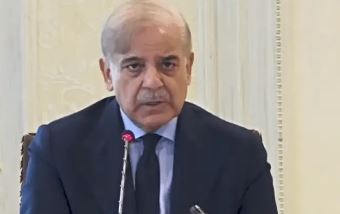
ISLAMABAD: Prime Minister Shehbaz Sharif on Tuesday directed the Federal Board of Revenue (FBR) to bring maximum productive sectors under automated monitoring systems in order to enhance tax collection and curb tax evasion.
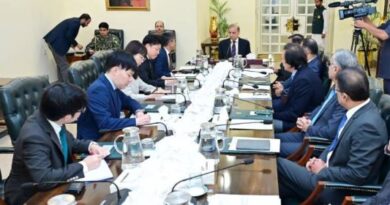
Chairing a weekly review meeting on FBR affairs at the Prime Minister’s Office, the prime minister emphasized the need to further strengthen enforcement mechanisms to increase revenues and ensure transparency in the taxation system.
The prime minister appreciated the economic team for inducting experts into the executive team of Pakistan Revenue Automation Limited (PRAL) on merit and for efforts to transform the organization into a more efficient and functional institution.
During the meeting, Shehbaz Sharif also instructed the Drug Regulatory Authority to complete the serialization of medicines manufactured in the country at the earliest.
He further directed that digital services for taxpayers, including the Auto Tax System, Digital Invoicing System, IRIS and other applications, be made available in Urdu and other local languages to improve accessibility and compliance.
The officials briefing the meeting said several technology-based systems have already been implemented to monitor production across different sectors, while additional systems will soon become operational to further increase tax revenues.
The meeting was informed that modern monitoring tools such as video analytics, unit counting, barcode scanning, stamping and serialization are being used to track production. Monitoring systems are already in place at sugar, cement, cigarette and fertilizer factories, which have contributed to an increase in tax collection.
Briefing participants said similar monitoring mechanisms are being introduced in textile, leather, paper, automobile and beverage sectors, which are expected to generate billions of rupees in additional tax revenue. The officials further said amendments had been made to the law governing Alternative Dispute Resolution Committees to enhance transparency and restore taxpayers’ confidence. Through these committees, the government expects to collect around Rs80 billion in taxes by June 30, 2026.
The meeting was also informed that tax case decisions between July 2025 and January 2026 resulted in the recovery of Rs102.9 billion for the national exchequer, while pending tax cases are expected to yield around Rs369 billion by June 2026.
The briefing noted that PRAL’s new executive team has become operational and its digital invoicing system is now fully functional. Between January and February this year, digital invoices worth Rs800 billion were generated, while the system is expected to achieve a target of Rs3 trillion in digital invoicing by April 2026.
Participants were also told that a modern FBR data center has been completed, while digital cargo tracking systems, including the e-Bilty system, have been introduced to curb smuggling and monitor cargo movement. A coordinated GPS tracking system for petroleum products has also been implemented.
The meeting was attended by Federal Ministers Muhammad Aurangzeb, Ahsan Iqbal Cheema, Dr Musadik Malik, Attaullah Tarar, Shaza Fatima Khawaja, Ali Pervez Malik, Minister of State for Finance Bilal Azhar Kayani, the Attorney General of Pakistan, the FBR chairman and senior officials of relevant institutions. APP