Taliban under fire for hosting designated terrorists in Kabul’s Diplomatic Hub
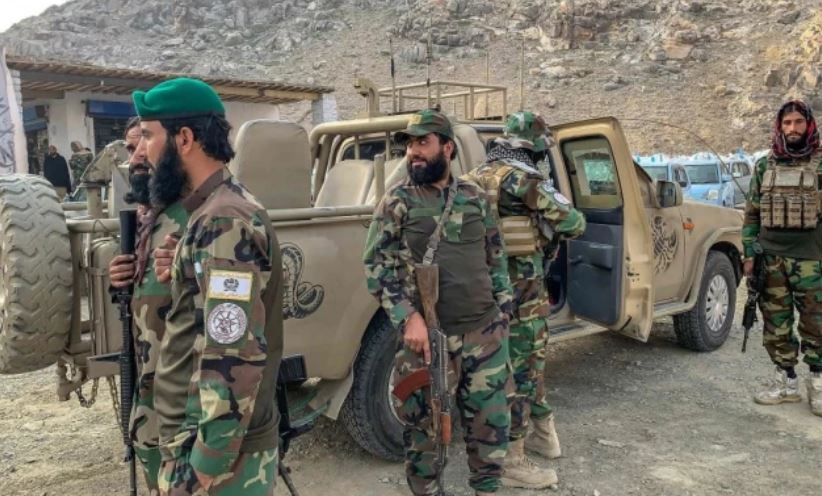
KABUL: Reports emerging from Kabul indicate that the Afghan Taliban may be adopting a tactic reminiscent of those used during their 1990s insurgency: positioning themselves or allied militants in areas considered too sensitive for opponents to strike, according to the Pakistan state news agency.
Security officials and regional analysts say high-ranking figures from globally proscribed militant organisations are allegedly being sheltered by the Taliban within Kabul’s tightly guarded diplomatic quarter, particularly in the Wazir Akbar Khan neighbourhood of the Green Zone.
Critics view this as a deliberate attempt to shield militant leaders from potential targeted operations by Pakistan or other neighbouring states.
The strategy echoes patterns seen during the Afghan civil war. In September 1995, Taliban fighters reportedly used the “German Club” — an international facility in Kabul — as overnight accommodation, knowing rival Afghan factions would avoid attacking the site due to the presence of foreign personnel.
Observers say the current situation appears to mirror that earlier tactic: positioning key militant figures in areas where military action could risk diplomatic fallout or civilian harm.
According to intelligence-based claims circulating in regional media and security circles, several individuals linked to Tehreek-e-Taliban Pakistan (TTP) and other militant networks are believed to be operating from locations within or near Kabul’s diplomatic enclave. Among those reportedly present are TTP leader Noor Wali Mehsud, militant commander Hafiz Gul Bahadur, Baloch militant figure Bashir Zeb, as well as militants originating from Central Asian states.
The area of particular concern is Wazir Akbar Khan, a district that hosts embassies, international organisations and residences of diplomats and United Nations staff. The presence of militant figures in such a location would complicate any attempt by foreign governments to conduct targeted operations against them.
A prominent Pakistani journalist has also publicly referred to similar claims, stating that international organisations and diplomatic personnel working in Kabul have privately raised concerns with Taliban authorities about the presence of armed militants near diplomatic compounds..
According to the journalist, some UN personnel and international NGO staff have expressed security concerns and may consider relocating if the situation deteriorates further. The Afghan Taliban leadership has repeatedly denied that members of TTP operating in Afghanistan should be regarded as terrorists.
In a recent interview, Mullah Mohammad Yaqoob, Afghanistan’s acting defence minister and son of the late Taliban founder Mullah Omar, described TTP members as “refugees” rather than militants. “Who can explain to Pakistan that your terrorist is not our terrorist?” Yaqoob remarked, suggesting that the Taliban government does not share Islamabad’s designation of the group. However, TTP is widely recognised internationally as a terrorist organisation. The United Nations Security Council, the United States and several other governments have designated the group as responsible for numerous attacks in Pakistan, including suicide bombings and assaults targeting civilians, security forces and educational institutions. Monitoring Desk