Punjab releases livestock care guidelines
Boost milk in winter
MULTAN: The Punjab Dairy Farmers Advisory has issued important guidelines to protect livestock and maintain milk production during severe winter conditions.
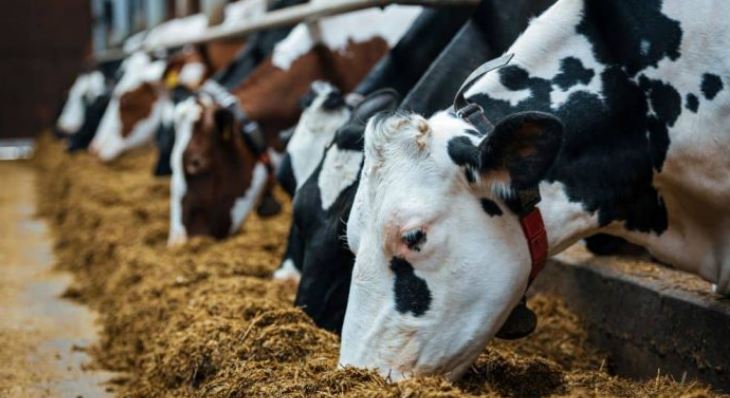
According to the advisory, milk yield often declines in cold weather as animals consume less feed and water, while more energy was used to maintain body heat. Farmers were urged to focus on balanced, high-energy nutrition, including the use of maize, concentrates, jaggery, or molasses to help animals cope with low temperatures.
The advisory recommends providing lukewarm, clean drinking water at least three times a day, as cold water can lower body temperature and reduce milk yield. Proper housing is also stressed, with dry and clean flooring essential to prevent diseases such as mastitis. Farmers were advised to block cold winds using sheets or tarpaulins while ensuring adequate ventilation to allow fresh air circulation.
Special care has been advised for calves and newborn animals, including six-inch thick dry bedding made from straw or crop residue to prevent pneumonia. Recently calved animals should also be kept on dry bedding for several days to avoid post-partum infections.
Maintaining fixed milking times, proper hygiene before and after milking, avoiding sudden changes in feed, and similarly isolating sick animals were also emphasized.
The advisory concluded that well-fed animals kept in comfortable shelters remain healthier and more productive, providing long-term benefits to dairy farmers during extreme winter conditions.
Meanwhile, The Livestock Department Sargodha on Thursday released its performance report for 2025, highlighting extensive vaccination, treatment, and farmer support initiatives across the district.
Talking to APP, Additional Deputy Director Livestock Sargodha Dr. Tanveer Ashraf Kalyar said wide-ranging vaccination campaigns were carried out to prevent major livestock diseases. A total of 1,180,988 animals were vaccinated against hemorrhagic septicemia (HS), 572,005 against black quarter, 480,198 against foot-and-mouth disease, 918,276 against enterotoxaemia, and 499,725 against peste des petits ruminants (PPR). Additionally, 354,776 animals were vaccinated against contagious caprine pleuropneumonia, and 2,761,310 poultry birds against Newcastle disease.
Dr. Kalyar said health services were provided through both institutional and field-based mechanisms, with 1,470,450 animals treated at veterinary institutions and 838,009 treated in the field by mobile teams. The department conducted 8,189 awareness sessions, provided breeding services to 137,414 animals, and carried out 54,093 pregnancy tests.
Under a flagship livestock support initiative, 7,474 animals were approved for assistance to 875 farmers. The Chief Minister Punjab’s veterinary and paravet internship program also inducted 17 veterinary officers and seven paravets to strengthen human resource capacity in the sector.
Dr. Kalyar said these initiatives reflect the department’s commitment to improving animal health, enhancing productivity, and supporting livestock farmers across Sargodha. APP