Transparent and evidence-based wildlife governance
Pakistan announces science-based trophy hunting quotas for 2025–26 season
ISLAMABAD: The Ministry of Climate Change and Environmental Coordination, through the CITES Management Authority of Pakistan, has announced trophy hunting quotas for the 2025–26 season, marking a significant step towards transparent and evidence-based wildlife governance. The allocations are based on verified population surveys and scientific evidence, ensuring the sustainable management of wildlife resources.
As a signatory to the Convention on Biological Diversity (CBD) and the Convention on International Trade in Endangered Species of Wild Fauna and Flora (CITES), Pakistan remains committed to fully complying with its international obligations through science-driven and sustainable conservation practices.
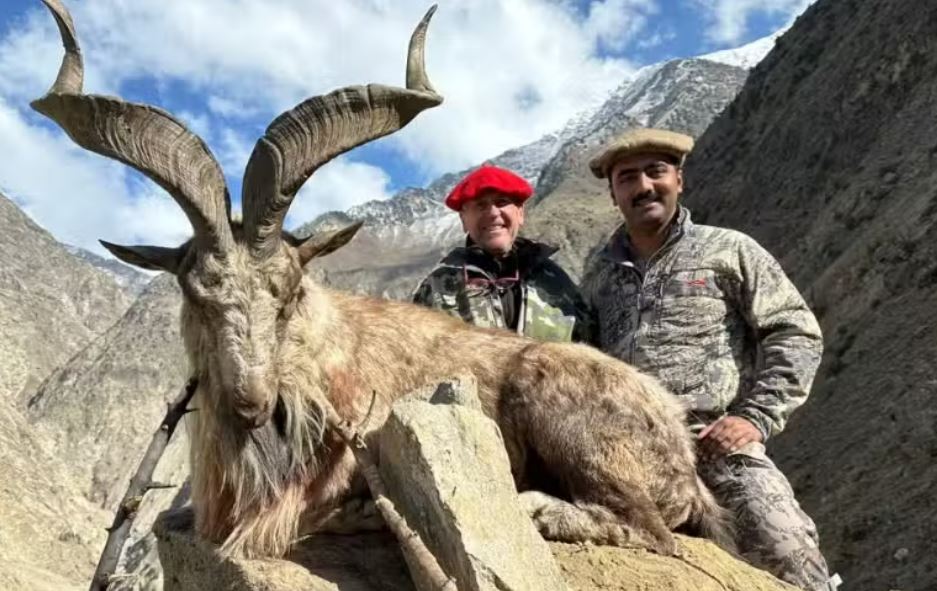
The 2025–26 trophy hunting quotas cover several species, including Markhor, Himalayan Ibex, Sindh Ibex, Blandford’s Urial, Punjab Urial, Blue Sheep and Kennion Gazelle. The allocations follow internationally accepted sustainable-use principles and are based on detailed population data provided by provincial wildlife departments.
Under the leadership of Federal Minister Dr Musadik Masood Malik, the Ministry has streamlined the quota allocation process to enhance transparency, accountability and evidence-based decision-making. Conservation decisions are now firmly grounded in credible scientific data rather than administrative precedent.
The Ministry is also working to strengthen and standardise wildlife survey methodologies nationwide to generate more robust and reliable population data. These initiatives aim to support effective conservation outcomes that benefit wildlife populations while promoting the well-being of local communities living alongside these species, reinforcing community-based conservation as a central pillar of Pakistan’s wildlife management framework. The initiative underscores Pakistan’s commitment to sustainable wildlife use, adherence to international conservation standards, and the promotion of inclusive conservation models that balance ecological integrity with socio-economic benefits. Syed Naveed Jamal