Pakistan, Afghanistan to hold Doha talks on curbing cross-border terrorism
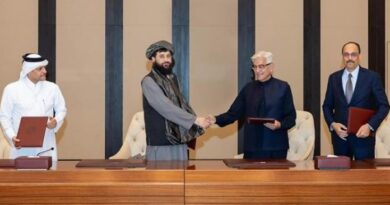
ISLAMABAD: A high-level Pakistani delegation, led by the Minister of Defence, arrived in Doha, Qatar, on Saturday to hold talks with the Afghan Taliban, focusing on immediate measures to end cross-border terrorism and restore peace along the Pakistan-Afghanistan border.
“The talks will focus on immediate measures to end cross-border terrorism against Pakistan emanating from Afghanistan and restore peace and stability along the Pak-Afghan border,” Foreign Office in a statement said on Saturday.
“Pakistan does not seek escalation but urges the Afghan Taliban authorities to honour their commitments to the international community and address Pakistan’s legitimate security concerns by taking verifiable action against terrorist entities,” it said.
“Pakistan appreciates the mediation efforts of Qatar and hopes these discussions contribute to peace and stability in the region,” the FO said.
The Taliban delegation is headed by the Islamic Emirate of Afghanistan’s Minister of Defence, Mullah Mohammad Yaqoob “Mujahid,” and includes Chief of Intelligence Mullah Abdul Haq Wasiq.
Earlier, Zabiullah Mujahid, spokesperson for the Islamic Emirate of Afghanistan, confirmed on his official X account that the delegation has traveled to Doha and urged its forces to refrain from any new movements despite reserving the right to respond to Pakistani strikes, to preserve the dignity and standing of its negotiating team.
The Pakistani delegation landed around 2:00pm PST, while the Taliban delegation arrived earlier to commence talks.
The recent escalation along the Pakistan-Afghanistan border followed a series of militant attacks in Pakistan, including a suicide strike that killed seven Pakistani soldiers and wounded thirteen, prompting Pakistan to conduct airstrikes in Afghanistan.
According to Reuters, these clashes, which marked the worst violence along the 2,600-kilometre frontier since the Taliban took power in 2021, led Pakistan and Afghanistan to extend a 48-hour ceasefire from October 16 to facilitate talks.
The fighting involved Afghan Taliban forces, reportedly aided by Indian-linked elements of the banned Tehreek-e-Taliban Pakistan, and targeted multiple sectors, including Angoor Adda, Bajaur, Kurram, Dir, Chitral, and Baramcha, with attacks aimed at facilitating militant incursions into Pakistan.
Pakistan’s military claimed over 200 Afghan Taliban fighters were killed, while twenty-three Pakistani soldiers were martyred, though Afghanistan reported fifty-eight casualties.
The cross-border violence also affected civilians, with Pakistan shutting border crossings and Afghanistan’s national cricket team withdrawing from a tournament in Pakistan following the airstrikes. The clashes underscore Pakistan’s long-standing demand that the Afghan Taliban rein in militants operating from Afghan territory, despite ongoing diplomatic engagement. Staff Report