Pakistan to generate 60% electricity from renewable sources by 2030: Owais Leghari
ISLAMABAD: Federal Minister for Energy, Sardar Owais Ahmad Khan Leghari, has announced that Pakistan aims to produce 60 percent of its electricity from clean and renewable sources by 2030, declaring environmentally friendly energy a top government priority.
Speaking at an international seminar titled “The Future of Energy: Innovation in Renewable and Clean Energy Technologies” at COMSATS University Islamabad on Tuesday, the minister stressed the importance of engaging youth in advancing sustainable technologies. “Youth are the future of this nation, and guiding them through investments in modern, sustainable energy technologies is essential for long-term energy security,” he said.
Leghari highlighted ongoing energy sector reforms, focusing on infrastructure development and digitization to ensure transparency and efficiency. Despite contributing less than one percent to global carbon emissions, he noted, Pakistan is among the most climate-vulnerable countries and is taking “serious measures” to address the challenges of climate change.
The minister said clean energy is not only an environmental necessity but also a pathway to energy independence and sustainability. To support evidence-based planning, he cited the establishment of the Power Planning and Monitoring Company for integrated forecasting and data-driven decision-making.
He announced Pakistan’s transition to the Competitive Trading Bilateral Contract Market (CTBCM) model by January 2026, enabling greater transparency and competition in the power sector. He also revealed that more than 7,000 MW of electricity is currently being added to the national grid through net metering, with hydropower contributing significantly to the renewable energy mix.
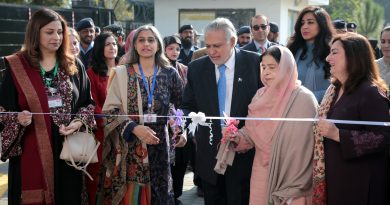
The seminar, hosted by COMSATS in collaboration with international partners, drew diplomats and energy experts from countries including Palestine, the Philippines, Somalia, Syria, Sudan, Zimbabwe, China, Iran, Türkiye, Sri Lanka, and the United States. Distinguished speakers included COMSATS Executive Director Ambassador Dr. M. Nafees Zakaria, ECO Science Foundation President Prof. Seyed Komail Tayebi, and COMSATS University Rector Prof. Dr. Sajid Qamar.
Featuring four technical sessions, the event explored solar and wind energy, biofuels, ocean energy, energy storage technologies, and AI-powered smart grids. More than 70 participants attended in person, while over 80 joined virtually, including researchers, academics, policymakers, and students.
In his concluding remarks, Leghari urged young people to embrace innovation: “You are the future of this country. Your creativity, coupled with technological knowledge, can lead Pakistan to energy self-sufficiency.” Syed Naveed Jamal