At least 19 killed in Nepal in ‘Gen Z’ protest over social media ban
Monitoring Desk
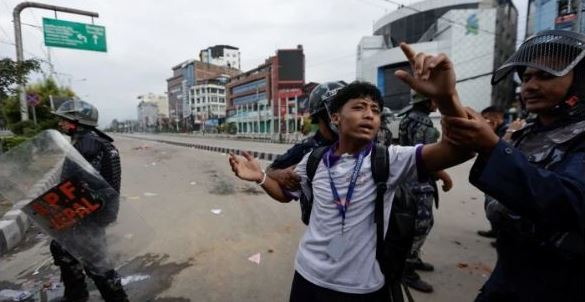
KATHMANDU: Unrest killed at least 19 people in Nepal on Monday, authorities said, as police in the capital fired tear gas and rubber bullets at protesters trying to storm parliament in anger at a social media shutdown and corruption.
Some of the main youth protesters forced their way into the parliament complex in Kathmandu by breaking through a barricade, a local official said, setting fire to an ambulance and hurling objects at lines of riot police guarding the legislature.
“The police have been firing indiscriminately,” one protester told the ANI news agency. “(They) fired bullets which missed me but hit a friend who was standing behind me. He was hit in the hand.”
More than 100 people, including 28 police personne,l were receiving medical treatment for their injuries, police officer Shekhar Khanal told Reuters. Protesters were ferrying the injured tthe o hospital on motorcycles.
Another two people were killed when protests in the eastern city of Itahari turned violent, police said.
Prime Minister KP Sharma Oli called an emergency cabinet meeting to discuss the unrest, which erupted after thousands of young people, including many wearing their school or college uniforms, took to the streets earlier on Monday.
Many carried flags and placards with slogans such as “Shut down corruption and not social media”, “Unban social media”, and “Youths against corruption”, as they marched through Kathmandu.
Organisers of the protests, which spread to other cities in the Himalayan country, have called them “demonstrations by Gen Z”. They say the protests reflect young people’s widespread frustration with government action to tackle corruption and boost economic opportunities.
“This is the protest by the new generation in Nepal,” another protester told the media.
A government decision to block access to several social media platforms, including Facebook, last week has fuelled anger among the young. About 90% of Nepal’s 30 million people use the internet.
Officials said they imposed the ban because platforms had failed to register with authorities in a crackdown on misuse, including false social media accounts used to spread hate speech and fake news, and commit fraud.
Police had orders to use water cannons, batons and rubber bullets to control the crowd and the army was deployed in the parliament area to bolster law enforcement officers, Muktiram Rijal, a spokesperson for the Kathmandu district office, told the media.